
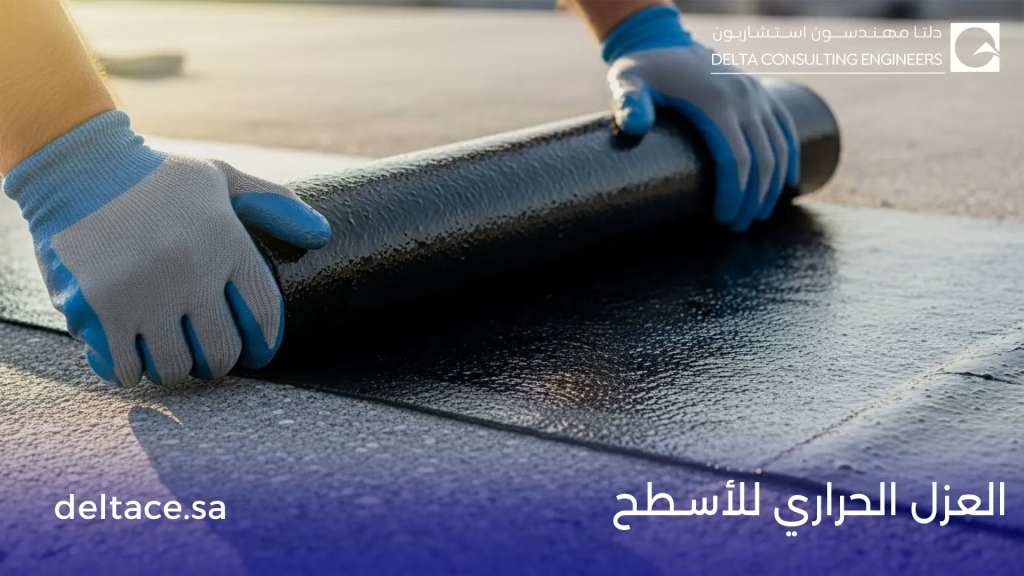
Thermal roof insulation is one of the essential elements for protecting buildings in Saudi Arabia due to the hot climate where temperatures exceed high levels during the summer months. In addition, weather fluctuations cause construction materials to expand and contract, leaving non-insulated roofs facing several challenges, the most prominent of which are the significant increase in indoor temperature, higher loads on air-conditioning systems, increased energy consumption, and the appearance of cracks and damage caused by direct exposure to sunlight.
These factors have driven many residential and commercial buildings to adopt thermal insulation solutions as an engineering necessity that enhances energy efficiency, improves indoor thermal comfort, and preserves the structural lifespan of the building. Today, various materials and techniques are available for roof insulation, each offering different performance characteristics depending on the nature of the building and the surrounding climate conditions.
This guide reviews the most commonly used thermal insulation materials, their application methods, and a comparative analysis of their main advantages and technical considerations to help identify the most suitable system for roofs across the Kingdom.
What is thermal roof insulation?
Thermal roof insulation is a construction system designed to reduce heat transfer between the inside and outside of a building by using materials with low thermal conductivity. This type of insulation involves installing layers, boards, or spray-applied materials above or below the roof to reduce heat absorption in the summer and maintain indoor temperatures during colder seasons.
Thermal insulation materials slow down the movement of thermal energy through the roof, contributing to improved energy efficiency, enhanced thermal performance, and reduced impact of direct solar radiation. Insulation also protects structural components from expansion- and contraction-related damage and extends the lifespan of roof layers and waterproofing systems.
Today, thermal insulation is considered a key requirement in many regions under the Saudi Building Code due to its role in improving construction quality and reducing electricity consumption associated with air-conditioning systems.
Benefits of thermal roof insulation
Thermal roof insulation provides a range of advantages that enhance a building’s operational and structural performance, including:
• Reducing heat transfer through the roof and minimizing heat gain during summer.
• Lowering energy consumption by reducing the load on HVAC systems.
• Improving indoor thermal stability and enhancing comfort levels.
• Minimizing the impact of thermal expansion and contraction.
• Protecting roof layers and waterproofing membranes and extending their lifespan.
• Reducing long-term maintenance and operational costs.
• Enhancing building efficiency in accordance with Saudi Building Code requirements.
With these substantial benefits, understanding the available insulation materials and techniques becomes essential to selecting the most suitable option for each project.
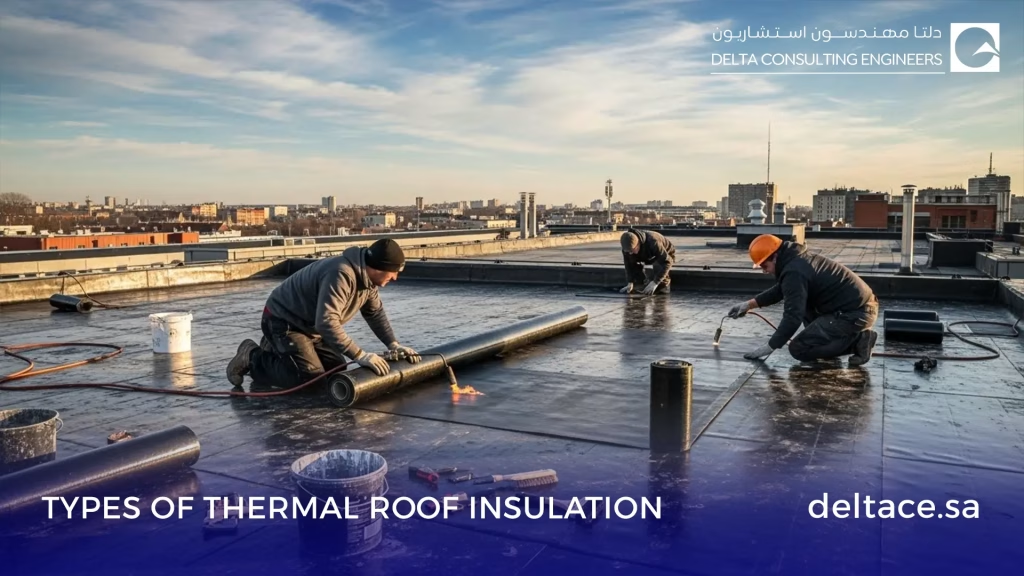
Types of thermal roof insulation
Thermal roof insulation is a key step in reducing energy bills and enhancing indoor comfort. Several materials and application methods are commonly used, each offering unique characteristics and advantages:
Cellulose Insulation
Made from recycled fibrous materials, cellulose offers good thermal resistance, low conductivity, and an environmentally friendly profile.
Spray Foam (Polyurethane Foam)
Applied by spraying to form a seamless layer that covers the entire roof, it is one of the most effective materials for reducing heat gain and sealing gaps.
Polystyrene Boards (EPS/XPS)
These lightweight, rigid boards are known for easy installation and strong resistance to heat and moisture.
Fiberglass (Glass Wool)
A fibrous material that provides both thermal and acoustic insulation, commonly used in various roof and building applications.
Rock Wool (Mineral Wool)
Produced from volcanic rock, offering excellent thermal and acoustic performance, and used in specific construction applications depending on site conditions.
Choosing the right insulation material involves not only understanding its specifications but also following proper installation methods to ensure the required performance and long-term durability.
Methods of Applying Thermal Roof Insulation
The methods of applying thermal roof insulation vary depending on the type of insulating material and the roof design. However, there are essential steps that must be followed to ensure the quality and efficiency of the insulation system.
Applying Cellulose Insulation
The fibrous material is blown in using specialized equipment to distribute it evenly in uniform layers across the roof or inside structural cavities, ensuring full coverage of critical areas to prevent heat leakage.
Applying Spray Foam (Polyurethane Foam) Insulation
The foam is sprayed directly onto the roof using high-pressure pumps, forming a continuous layer that adheres to the concrete and fills small gaps, providing a fully integrated thermal insulation system.
Applying Polystyrene Board Insulation
Boards are installed over the roof using either specialized adhesives or mechanical fasteners. They are arranged tightly to prevent gaps, then covered with a protective layer or waterproofing membrane according to the project design.
Applying Fiberglass Insulation
Fiberglass rolls or boards are installed according to the required thickness and fixed in place while ensuring the material is not compressed to maintain its thermal efficiency.
Applying Rock Wool Insulation
Boards are installed sequentially across the roof with joints properly sealed, then covered with a suitable protective layer to prevent water absorption and ensure long-term insulation performance.
Tips for Choosing the Right Thermal Roof Insulation
To ensure the highest performance and long-term durability, selecting the appropriate insulation must be based on careful evaluation. Below are essential guidelines:
Assessing the Climatic Conditions of the Site
Choose a thermal insulation material capable of withstanding high temperatures and direct sunlight in hot regions, or large thermal fluctuations in open areas, to ensure stable performance throughout the year.
Evaluating the Roof Structure and Design
It is important to determine whether the roof is a traditional concrete slab or already includes waterproofing or thermal layers. This helps in selecting an insulation material that is compatible with existing layers and supports an integrated system without compromising structural integrity or waterproofing efficiency.
Comparing Thermal Conductivity Performance
Materials with low thermal conductivity, such as spray foam (polyurethane) or polystyrene boards, are preferred due to their strong ability to reduce heat transfer from the roof into the building, improving insulation levels and lowering HVAC loads.
Ensuring Moisture Resistance
For exposed roofs or areas prone to rainwater accumulation, avoid moisture-sensitive materials such as rock wool unless adequately protected. Prefer materials with low water absorption to maintain consistent thermal performance over time.
Balancing Cost and Lifespan
It is essential to consider the initial installation cost along with expected lifespan and maintenance requirements, especially for residential and commercial projects. The goal is to choose a solution that provides the best long-term value and consistent thermal efficiency.
Choosing a Qualified and Certified Contractor
It is recommended to work with a specialized contractor experienced in thermal insulation systems and holding proper engineering accreditation. This ensures correct application of insulation layers and avoids execution errors that may cause thermal bridging or water leakage affecting overall performance.
Compliance with the Saudi Building Code
Ensuring that the insulation system complies with the Saudi Building Code standards is crucial in terms of insulation thickness, material type, and installation method. Compliance guarantees national energy-efficiency standards and measurable reductions in electricity consumption.
By following these guidelines when selecting thermal insulation for building roofs, property owners and project managers can enhance user comfort and reduce long-term energy costs. For projects requiring more detailed evaluation, consulting an engineering specialist is recommended to obtain tailored recommendations based on site conditions and building requirements.
Conclusion
Thermal roof insulation in Saudi Arabia is an engineering necessity rather than a luxury. It is a long-term investment that protects the building and significantly reduces energy consumption. Choosing the right insulation material—whether polyurethane foam, polystyrene, or rock wool—depends on the roof structure, climate conditions, and compliance with the Saudi Building Code.
By applying precise technical standards and using low-conductivity materials, maximum thermal efficiency can be achieved, extending the building’s lifespan and enhancing overall indoor comfort.
Frequently Asked Questions About Thermal Roof Insulation
What is the best thermal insulation material for roofs in Saudi Arabia’s hot climate?
There is no single material that is universally the best. The choice depends on roof type, budget, and site conditions. However, polyurethane spray foam is considered one of the most effective options due to its seamless application, low thermal conductivity, and ability to fill small gaps and adhere directly to concrete. Polystyrene boards (XPS/EPS) are also an excellent option thanks to their moisture resistance and low conductivity.
Does thermal insulation replace roof waterproofing?
No. Thermal insulation controls temperature, while waterproofing protects the roof from rainwater leaks. A complete roof system should combine both.
Why is compliance with the Saudi Building Code important when installing insulation?
It ensures that the insulation system meets national energy-efficiency requirements, delivers effective performance, reduces electricity consumption, and complies with official regulations.
Can thermal insulation be applied to old roofs?
Yes, it can. However, the roof must first be inspected to ensure it is free from leaks or major cracks, and any issues must be treated before applying the new insulation layer to ensure proper adhesion and effectiveness.